Repulsive Guidance Molecule A (RGMa) is a glycoprotein that plays a critical role in the development of the nervous system. It is involved in axon guidance, cell migration, and neuronal differentiation. RGMa also influences the immune response and has been studied for its involvement in various neurological disorders, including multiple sclerosis (MS), spinal cord injuries, and neurodegenerative diseases. The Human RGMa ELISA (Enzyme-Linked Immunosorbent Assay) is an essential tool used in research for the quantitative measurement of RGMa levels in biological samples, including serum, plasma, and cerebrospinal fluid (CSF).
What is RGMa?
RGMa is a member of the repulsive guidance molecule family, which was initially discovered for its role in axon guidance during embryonic development. It acts as a signaling molecule that can either attract or repel axons, influencing the proper wiring of the nervous system. Besides its neurological functions, RGMa has been implicated in the regulation of the immune system, angiogenesis, and tumor progression. Detailed information on the structure and function of RGMa can be found at NIH and NCBI.

The Importance of Human RGMa ELISA
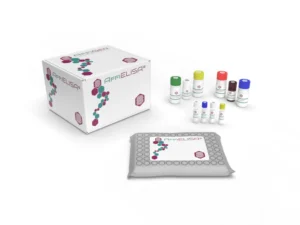
The Human RGMa ELISA is a highly sensitive assay designed to detect and quantify RGMa levels in various biological samples. It is widely used in clinical research to study the role of RGMa in neuroinflammatory and neurodegenerative conditions. By measuring RGMa levels, researchers can gain insights into the molecular mechanisms underlying these diseases, potentially leading to the development of new therapeutic targets. For more about the application of ELISA in clinical research, visit CDC and FDA.
Applications of Human RGMa ELISA
- Neurological Disorders: RGMa has been studied in the context of multiple sclerosis, Alzheimer’s disease, and spinal cord injuries. Changes in RGMa expression are associated with the severity and progression of these conditions. Researchers utilize the Human RGMa ELISA to monitor these changes and investigate the potential of RGMa as a biomarker for diagnosis and prognosis. For additional insights, explore National Institute of Neurological Disorders and Stroke.
- Neuroinflammation: RGMa plays a role in the regulation of inflammatory responses within the central nervous system. Elevated levels of RGMa can indicate ongoing neuroinflammation, which is relevant to diseases like MS. For studies on neuroinflammation, check resources at NINDS and PubMed.
- Spinal Cord Injury: Research suggests that RGMa can inhibit neuronal regeneration after a spinal cord injury, making it a target for therapeutic interventions aimed at enhancing recovery. Clinical trials and experimental studies on RGMa are accessible via ClinicalTrials.gov.
- Cancer Research: RGMa has been implicated in tumorigenesis, particularly in brain cancers. Its role in cell migration and angiogenesis makes it a target for cancer research. Details can be found at National Cancer Institute.
Advantages of Using Human RGMa ELISA
- High Sensitivity and Specificity: The assay can detect even low concentrations of RGMa, ensuring precise and reliable results. Standardization protocols are available at ISO and AOAC.
- Quick and Efficient: The ELISA provides rapid results, which is crucial for time-sensitive research studies. Guidelines on assay implementation can be found at CDC Laboratory Protocols.
- Reproducible: The assay’s design ensures consistent results across different sample types, making it suitable for large-scale studies. Refer to FDA for best practices in assay development and reproducibility.
Methodology of Human RGMa ELISA
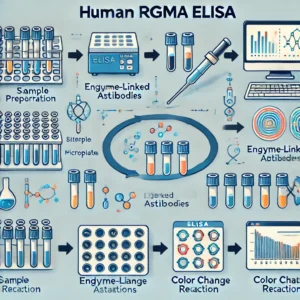
The Human RGMa ELISA involves coating a microplate with RGMa-specific antibodies. Samples are added to the wells, and if RGMa is present, it binds to the antibodies. A series of washing steps removes unbound proteins. Subsequently, enzyme-linked antibodies are added, which attach to the bound RGMa. When a substrate is introduced, the enzyme reacts to produce a color change. The intensity of the color is directly proportional to the RGMa concentration and can be measured using a microplate reader. For step-by-step ELISA procedures, visit NIH and CDC.
Challenges and Considerations
Although the Human RGMa ELISA is a powerful tool, there are considerations to be mindful of, such as the potential for cross-reactivity with other proteins and variations in sample handling. Ensuring strict adherence to assay protocols and guidelines from organizations like WHO can help overcome these challenges.
Future Directions in RGMa Research
Ongoing research is focusing on understanding the role of RGMa in neuroregeneration and its potential as a therapeutic target. Scientists are exploring the use of RGMa inhibitors to promote axonal growth after injury, which could lead to new treatments for spinal cord injuries and other neurodegenerative conditions. For recent advancements, refer to Harvard and MIT.
Conclusion
The Human RGMa ELISA is a critical assay for detecting and quantifying RGMa levels, providing essential insights into various neurological and systemic conditions. By enabling accurate measurement of RGMa, this assay contributes significantly to research efforts aimed at understanding and potentially treating disorders such as multiple sclerosis, spinal cord injuries, and cancers. To explore more about the significance of RGMa and ELISA applications, visit NCBI, CDC, and NIH.
The use of Human RGMa ELISA kits represents a step forward in the research of neurobiological processes and disease, supporting the development of new diagnostic and therapeutic approaches.