Introduction Candida and Trichomonas vaginalis (TV) infections are two prevalent causes of vaginitis, affecting millions of women globally. Accurate diagnosis is crucial for effective treatment, making quality control in diagnostic tests essential. PCR-based assays have become the gold standard for detecting these pathogens due to their high sensitivity and specificity. Quality control (QC) products, like PCR positive controls, are vital for ensuring the reliability of these diagnostic tests. These controls validate that PCR assays function correctly, identifying any issues that could lead to false-negative or false-positive results.
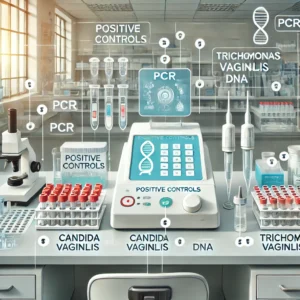
Importance of PCR Positive Quality Control PCR positive quality controls are integral in clinical laboratories. They confirm the performance of reagents, primers, and PCR instruments, ensuring that the test conditions are optimal. Positive controls help verify that the assay can detect target DNA sequences of both Candida species and Trichomonas vaginalis, which is crucial in clinical diagnostics to avoid missed infections. Laboratories can monitor their testing process’ accuracy by including positive controls and adhere to best practices set by regulatory bodies like the Centers for Disease Control and Prevention (CDC).
Candida Infection and Diagnosis Candidiasis is typically caused by Candida albicans, but other species like C. glabrata, C. tropicalis, and C. parapsilosis can also lead to infections. Symptoms often include itching, discharge, and discomfort, necessitating accurate diagnostic methods. PCR assays target specific Candida DNA sequences, offering a more reliable diagnosis compared to traditional culture methods. Including a positive control in the PCR assay ensures consistent detection of these pathogens.
To understand the clinical aspects of candidiasis, the National Institutes of Health (NIH) and PubMed are valuable resources for detailed research and case studies.
Trichomonas vaginalis (TV) Infection and Diagnosis Trichomonas vaginalis is a sexually transmitted parasite responsible for trichomoniasis, which can lead to discomfort, abnormal discharge, and, if untreated, complications like pelvic inflammatory disease. The use of PCR tests allows for rapid and accurate detection of TV DNA. Incorporating quality control measures recommended by the Food and Drug Administration (FDA) ensures the diagnostic reliability of these tests. Positive controls simulate the presence of TV DNA, confirming the assay’s ability to identify the parasite.
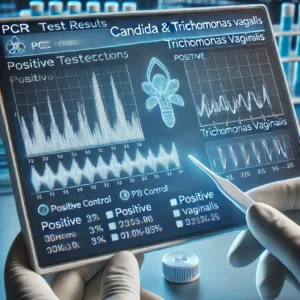
PCR Quality Control in Clinical Settings PCR positive quality controls are essential for clinical diagnostics, as they validate the entire testing workflow. Laboratories can prevent false results by verifying that each component of the PCR assay (e.g., DNA extraction, amplification, and detection) is functioning correctly. Agencies like the World Health Organization (WHO) and Clinical and Laboratory Standards Institute (CLSI) provide guidelines for maintaining quality in diagnostic testing, including the use of controls.
Benefits of Using PCR Positive Controls
- Assay Verification: Ensures that the PCR assay reliably detects Candida and TV DNA, even in low concentrations.
- Reagent Testing: Confirms that all reagents are functional and not degraded, following protocols outlined by agencies like NIH and CDC.
- Process Standardization: Facilitates standardization across laboratories, as recommended by global health organizations such as WHO.
- Avoiding Diagnostic Errors: Helps to detect any issues with the assay setup that could lead to false negatives or positives, which is a critical concern in clinical diagnostics.
Recommended Practices for Implementing PCR Positive Controls According to the CDC and FDA, implementing PCR positive controls in routine diagnostic testing ensures consistent assay performance. Laboratories should regularly update their protocols to align with standards set by health authorities, including the use of validated quality controls.
- Regular Use in Testing: Positive controls should be included in every PCR run to monitor the consistency of the assay.
- Calibration and Validation: Regularly calibrate PCR instruments and validate reagents to ensure assay sensitivity and specificity, following guidelines from NIH.
- Documentation and Reporting: Maintain thorough documentation of assay performance and quality control results to comply with regulatory standards.
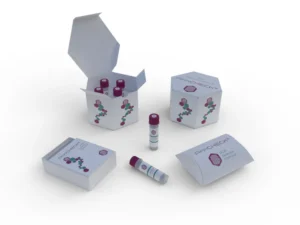
Conclusion Incorporating PCR positive quality controls is critical for accurate diagnostics of Candida and Trichomonas vaginalis infections. These controls help laboratories verify the reliability of their tests, ensuring that patients receive accurate results. Regulatory bodies like the FDA, CDC, and WHO provide essential guidelines for maintaining quality in diagnostic assays, emphasizing the importance of positive controls. By adhering to these standards, healthcare providers can enhance the accuracy and reliability of their diagnostic services, leading to better patient outcomes.