Introduction to Chicken IFNγ
Interferon-gamma (IFNγ) is a critical cytokine involved in the immune response of birds, playing a major role in antiviral defense, immune regulation, and inflammation. The Chicken IFNγ cDNA clone (10 μg) is an indispensable resource for researchers investigating immune system function, infectious disease resistance, and vaccine development in poultry. IFNγ is key in adaptive and innate immune responses (NCBI), making its genetic material an essential tool in avian immunological studies (NIH).
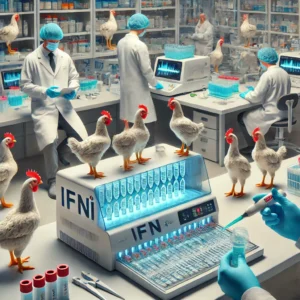
The Role of IFNγ in Avian Immunology
IFNγ is primarily produced by T cells and natural killer (NK) cells in response to pathogen infection. It activates macrophages, enhances antigen presentation, and stimulates the production of additional cytokines crucial for immune defense (CDC). Research shows that IFNγ plays a significant role in combating viral, bacterial, and protozoan infections in poultry (USDA). Understanding IFNγ function is essential for developing effective poultry vaccines and disease prevention strategies (USDA ARS).
Molecular Biology of IFNγ
The IFNG gene, which encodes IFNγ, is located on chicken chromosome 1. The gene consists of multiple exons and undergoes alternative splicing to produce different transcript variants (NCBI Gene). The pro-IFNγ molecule undergoes post-translational modifications before being secreted in its active form, binding to the IFNγ receptor complex to initiate immune responses (NIH RePORT).
Applications of Chicken IFNγ cDNA Clones
The availability of Chicken IFNγ cDNA clones enables researchers to:
- Study immune signaling pathways in poultry (FAO).
- Investigate host-pathogen interactions in avian species (NLM).
- Develop genetically engineered chickens with enhanced disease resistance (ARS).
- Explore vaccine adjuvants that enhance IFNγ-mediated immune responses (USDA APHIS).
- Conduct studies on IFNγ receptor signaling and downstream immune effects (NSF).
- Evaluate IFNγ-based antiviral therapies for avian diseases (FDA).
- Assess cytokine expression profiles in poultry exposed to infectious agents (USGS).
- Investigate genetic variations in IFNγ linked to disease resistance traits (GenBank).
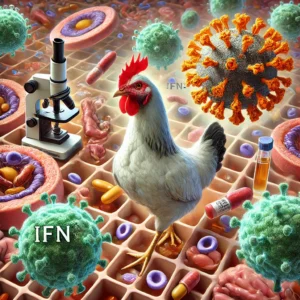
How to Use the Chicken IFNγ cDNA Clone
This 10 μg cDNA clone can be utilized for:
- Gene expression studies in chicken immune cells (NCBI Gene).
- RT-PCR and qPCR assays to quantify IFNγ expression in response to infection (NIH RePORT).
- Western blot analysis to verify IFNγ protein expression levels (FDA).
- RNA sequencing to analyze transcriptional changes in chicken immune responses (PubMed).
- CRISPR gene editing to study IFNγ function and regulatory elements (DOE Genome).
- ELISA assays to measure IFNγ production in response to vaccination (CDC Immunology).
- Flow cytometry to analyze IFNγ-producing T cells in poultry (NIH Flow Cytometry).
Impact on Poultry Health Research
Research indicates that IFNγ is upregulated in response to avian influenza, Newcastle disease, and salmonellosis, playing a key role in immune protection (USGS). Scientists use Chicken IFNγ cDNA clones to develop improved vaccine formulations and breeding programs for disease-resistant poultry (CDC Emerging Infections). By studying IFNγ expression in infected birds, researchers can identify biomarkers for early detection and intervention strategies (WHO).
Additionally, IFNγ has been shown to contribute to gut health and microbiome regulation, which is crucial for optimal poultry production and disease control (USDA Veterinary).

Future Prospects
With advancements in gene editing, recombinant cytokine production, and immune engineering, the Chicken IFNγ cDNA clone is expected to be instrumental in developing next-generation poultry vaccines and immunotherapies (USDA NIFA). This research has broader implications for improving poultry health, biosecurity, and sustainable agriculture (FDA Biotechnology).
Additionally, the integration of AI-driven immunogenomics can help predict IFNγ-mediated resistance to emerging avian pathogens, guiding the development of targeted disease control strategies (NIH Bioinformatics).
Conclusion
The Chicken IFNγ cDNA Clone (10 μg) is a crucial resource for avian immunology research, disease resistance studies, and poultry health advancements. As scientists continue to explore IFNγ’s roles and applications, this cDNA clone will remain a key asset for poultry disease research. By leveraging genomic insights and cutting-edge biotechnology, researchers can significantly enhance avian immune responses and poultry industry sustainability (NSF).
For more information and resources on avian immunology, visit reputable research databases such as NIH GenBank, USDA Agricultural Research, and CDC Avian Health.