Respiratory illnesses like flu, COVID-19, RSV, and pneumonia affect millions of people each year. Accurate and fast diagnosis is crucial for treatment and public health. Respiratory Pathogen PCR Panels (RP-PCR Panels) are powerful tools that detect multiple pathogens from a single sample, but their accuracy depends on strict quality control (QC) measures. Without proper QC, results can be misleading, leading to unnecessary treatments or missed diagnoses.

Why is Quality Control Important?
1. Making Sure the Test is Accurate
RP-PCR panels must detect tiny amounts of viruses and bacteria while avoiding false positives or negatives. If a test incorrectly shows an infection that isn’t there, it can lead to unnecessary treatment. If it misses an infection, someone may not get the care they need. Read more on test accuracy from CDC’s qPCR Guidelines.
2. Keeping Results Consistent Across Labs
Not all labs use the same equipment, reagents, or procedures. Standardized guidelines, like those from Clinical and Laboratory Standards Institute (CLSI), help ensure that test results remain consistent no matter where they are performed (CLSI Guidelines).
3. Preventing Contamination
PCR tests are highly sensitive. Even a small contamination can alter results. Labs follow strict biosafety procedures to prevent errors. Learn more about these best practices in the FDA’s Biosafety Practices.
How Quality Control is Done
1. Using Internal and External Controls
To ensure every test is working properly, labs use:
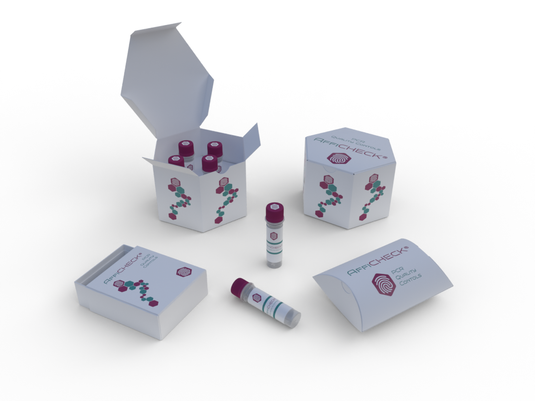
- Positive Controls: Samples with known pathogens to confirm the test can detect them.
- Negative Controls: Samples with no pathogens to make sure there’s no accidental contamination.
- Extraction Controls: Check if RNA/DNA extraction from patient samples is effective.
- Spike-in Controls: Monitor reagent performance and test reliability.
The University of Rochester Medical Center explains why these controls are essential for reliable PCR results.
2. Regular Lab Testing to Verify Accuracy
Labs participate in proficiency testing (PT) programs, where they analyze unknown samples and compare results with other labs. Programs like WHO External Quality Assessment (EQA) ensure test reliability. See details on WHO EQA Program.
3. Validating the Test Before Use
Before a PCR panel is used in patients, labs check:
- Sensitivity (Limit of Detection, LOD): The smallest amount of virus or bacteria the test can detect.
- Specificity: Ensuring the test correctly identifies the intended pathogen and does not mistakenly detect something else.
- Reproducibility: Making sure the test gives the same result each time it’s run.
Johns Hopkins University outlines these validation steps in its molecular diagnostics lab.
4. Understanding and Reporting Test Results
PCR results are based on cycle threshold (Ct) values, which indicate the amount of pathogen present. Higher Ct values suggest a lower viral/bacterial load. Misinterpretation of these numbers can lead to unnecessary concern or overlooked infections. The University of California, San Francisco provides guidance on how to interpret Ct values.
5. Meeting Regulations for Patient Safety
- Labs performing clinical tests must have CLIA (Clinical Laboratory Improvement Amendments) Certification.
- New diagnostic tests, especially during pandemics, require FDA Emergency Use Authorization (EUA).
- ISO 15189 Accreditation ensures compliance with international quality standards.
Read more about regulatory requirements at FDA’s Molecular Diagnostics Regulations.
What’s Next for PCR Panel Testing?
New technologies like digital PCR (dPCR) and next-generation sequencing (NGS) are improving test sensitivity and accuracy. Research from NIH’s Genome Technology Branch explores these advancements.
Final Thoughts
Respiratory Pathogen PCR Panels are essential tools for diagnosing infections, but their accuracy depends on strong quality control measures. Following proper validation, regular proficiency testing, and strict contamination protocols helps ensure reliable results.
For further resources, check CDC Laboratory Quality Standards and University of Arizona’s Molecular Diagnostics Resources.